Products7 min read
Understanding asset finance for growing businesses
Asset finance can help spread the cost of equipment and vehicles. Here is what business owners should know before exploring options.
Tera
Asset finance lets a UK business use essential equipment, machinery or technology while spreading the cost over an agreed period. The asset typically secures the facility, which may preserve working capital — though deposits, ownership structure and eligibility vary by provider and product type. This guide explains how asset finance works, the main structures available, when it may suit your business better than a general loan or paying cash, and how to prepare before applying.
What is asset finance?
Asset finance is funding tied to a specific business asset — machinery, vehicles, technology, kitchen equipment and similar kit. The lender's security is usually the asset itself, which can make it a practical route when you need equipment but want to preserve cash for payroll, stock and day-to-day trading.
It is not a general-purpose loan. The amount, term and structure typically reflect the asset's cost, useful life and how your business will use it. Providers still assess trading history, affordability and credit profile — asset finance is not automatic approval.
How asset finance works
Rather than paying upfront for equipment, you make regular payments over a fixed term. The finance is usually secured against the asset being financed. Ownership may transfer at the end of the agreement in some structures; in others, you return or refinance the asset.
Common structures
- Hire purchase — you hire the asset with an option to own at the end of the term
- Finance lease — the lender owns the asset during the term; you may have renewal or purchase options
- Operating lease — shorter-term use without ownership; common for equipment with shorter useful life
What can be financed
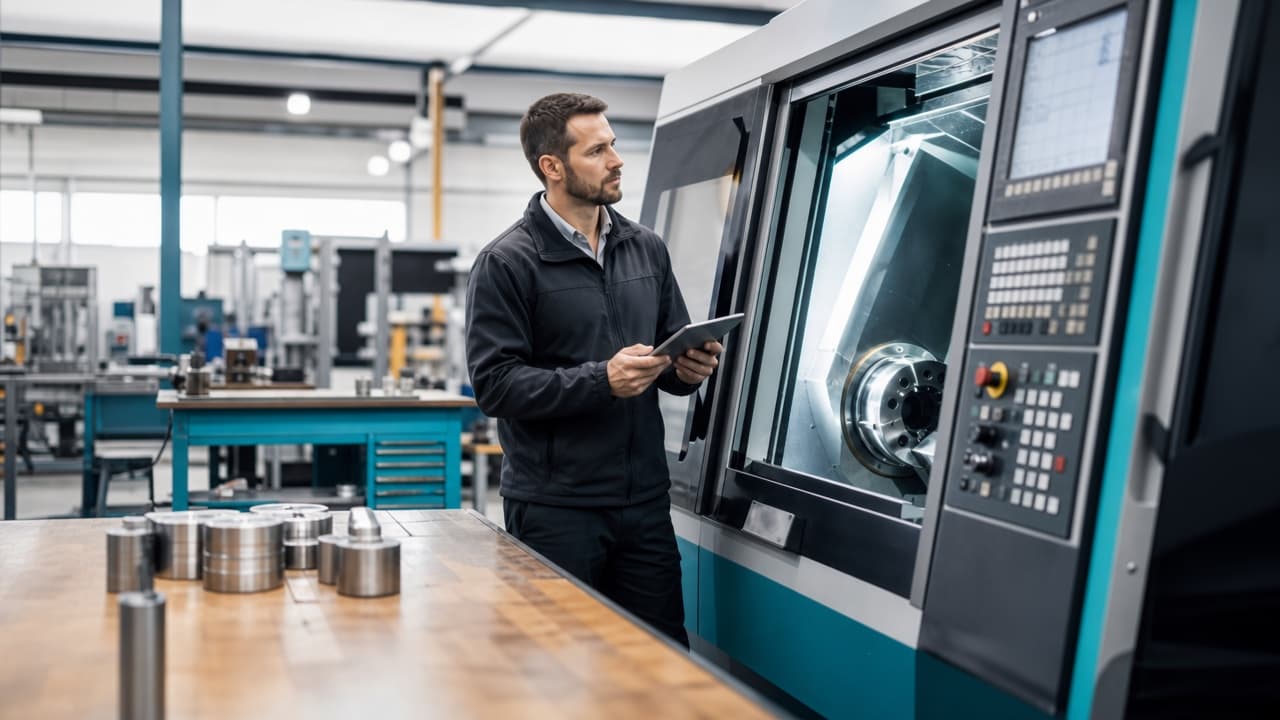
- Manufacturing and production machinery
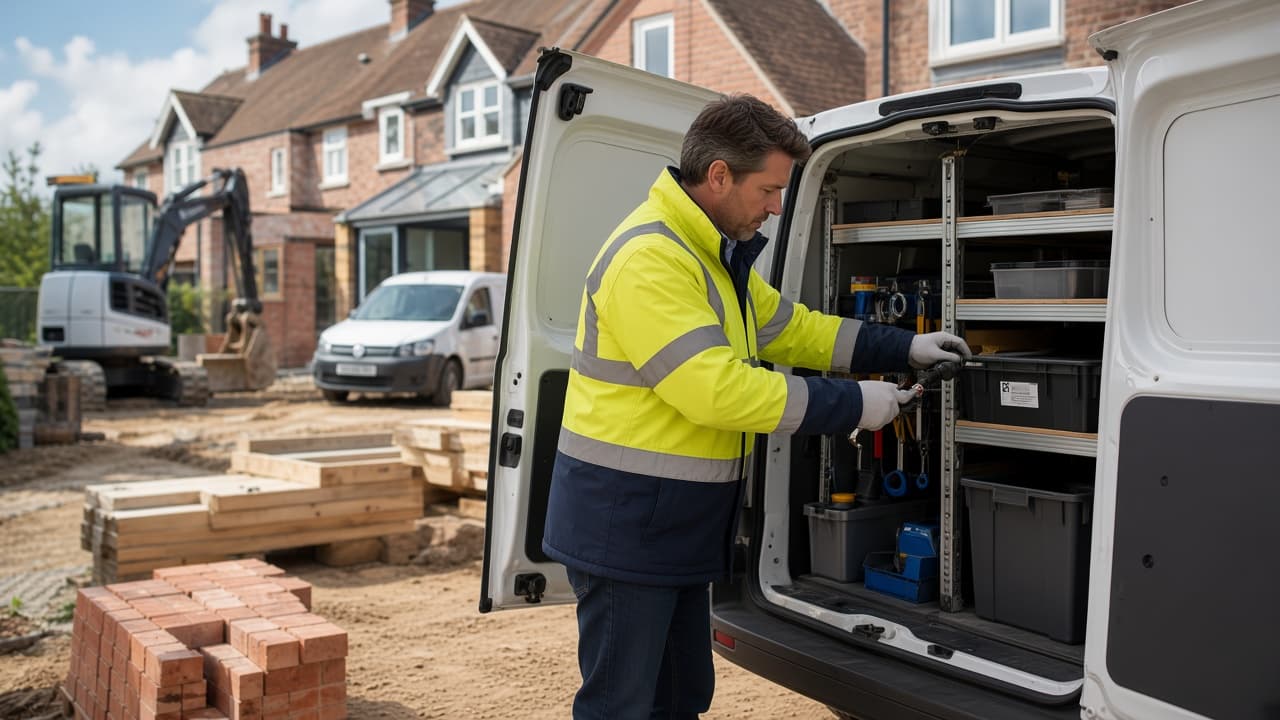
- Construction plant and tools
- Kitchen and catering equipment
- Medical and healthcare equipment
- Technology and office systems
- Commercial vehicles (or via dedicated vehicle finance)
Hire purchase vs finance lease vs operating lease
The structure you choose affects ownership, balance sheet treatment, tax relief and what happens at the end of the term. Hire purchase often suits businesses that want to own the asset eventually. Finance and operating leases may suit those who prefer not to carry the asset on the balance sheet or who expect to upgrade regularly.
Tax treatment can change the true cost materially for UK limited companies. Our free HP vs lease vs cash calculator models corporation tax relief on purchase, HP interest and lease rental relief so you can compare net all-in cost — not just monthly payments. To estimate monthly repayments for a specific asset price, deposit and term, use the asset finance calculator. Results are illustrative; confirm treatment with your accountant.
Asset finance vs paying cash
Paying cash avoids interest and finance charges, but it removes liquidity from the business. For equipment with a long useful life — production machinery, commercial vehicles, surgery kit — spreading cost may leave working capital available for wages, materials and tax.
The right answer depends on your cash position, the asset's role in generating revenue and whether tying up capital creates other risks. A profitable business can still be short of cash if too much is locked in fixed assets at once.
New vs used equipment
Many providers finance both new and used assets. Used equipment may attract shorter terms, higher deposits or lower advance rates depending on age, condition and residual value. A supplier quotation and clear specification strengthen any application.
When businesses may consider asset finance
- Replacing ageing equipment without a large upfront outlay
- Expanding capacity — a second production line, additional vehicles, new site fit-out
- Preserving cash reserves for payroll, stock and day-to-day trading
- Matching repayments to the revenue the asset generates
Businesses in construction, plant hire, transport, manufacturing and healthcare commonly use asset finance for equipment-heavy operations.
What providers typically need
Asset and supplier details
- Equipment specification and supplier quotation
- Cost including VAT treatment
- Delivery or installation timeline
Business information
- Trading history and recent bank statements
- Filed or management accounts where available
- Deposit available — commonly ten to twenty per cent depending on asset and profile
- Preferred repayment period
Benefits and considerations
Potential benefits
- Preserves working capital for operations
- Fixed monthly payments can aid budgeting
- Payments may align with the asset's useful life and revenue contribution
- May be more accessible than unsecured borrowing for some younger businesses
Points to weigh
- Ownership structure varies — understand what you own and when
- Missed repayments may place the asset at risk
- Total cost includes interest and charges — compare the full facility cost
- Early termination charges may apply on some agreements
Asset finance vs a business loan
A business loan provides general-purpose funding repaid over a term. Asset finance is tied to a specific purchase, with the asset providing security. For equipment acquisitions, asset finance often aligns repayments with the asset's use. For broader working capital, a loan or invoice finance may be more appropriate depending on circumstances.
How to explore asset finance with Tera
Start with Tera's two-minute assessment. Share the equipment you need, the amount and your business details. A specialist reviews your requirement and discusses suitable structures from our lender panel. No obligation to proceed. See how it works and our asset finance product page for more detail.
Common questions
Tera arranges finance from a panel of lenders. We are not a lender. Finance is subject to status and lender terms.